In an Age of Uncertainty
Most people don’t realize just how fragile urban infrastructure actually is (until it breaks). Out here, it’s not uncommon for a fallen tree somewhere to knock out power occasionally and test our resourcefulness. So, Big Calm is building an infrastructure stack designed to keep the lights on and the water flowing, regardless of external grid stability. We’re still grid-tied (for power) but, together, we’re investing in a level of autonomy and resilience that usually goes overlooked or is individually unaffordable.
Antifragile Systems
Our systems use the earth’s constant temperature and the sun’s daily energy. This is infrastructure built for 2030 and beyond, ensuring that your home remains a sanctuary even during the disruptive events that are becoming the new normal.
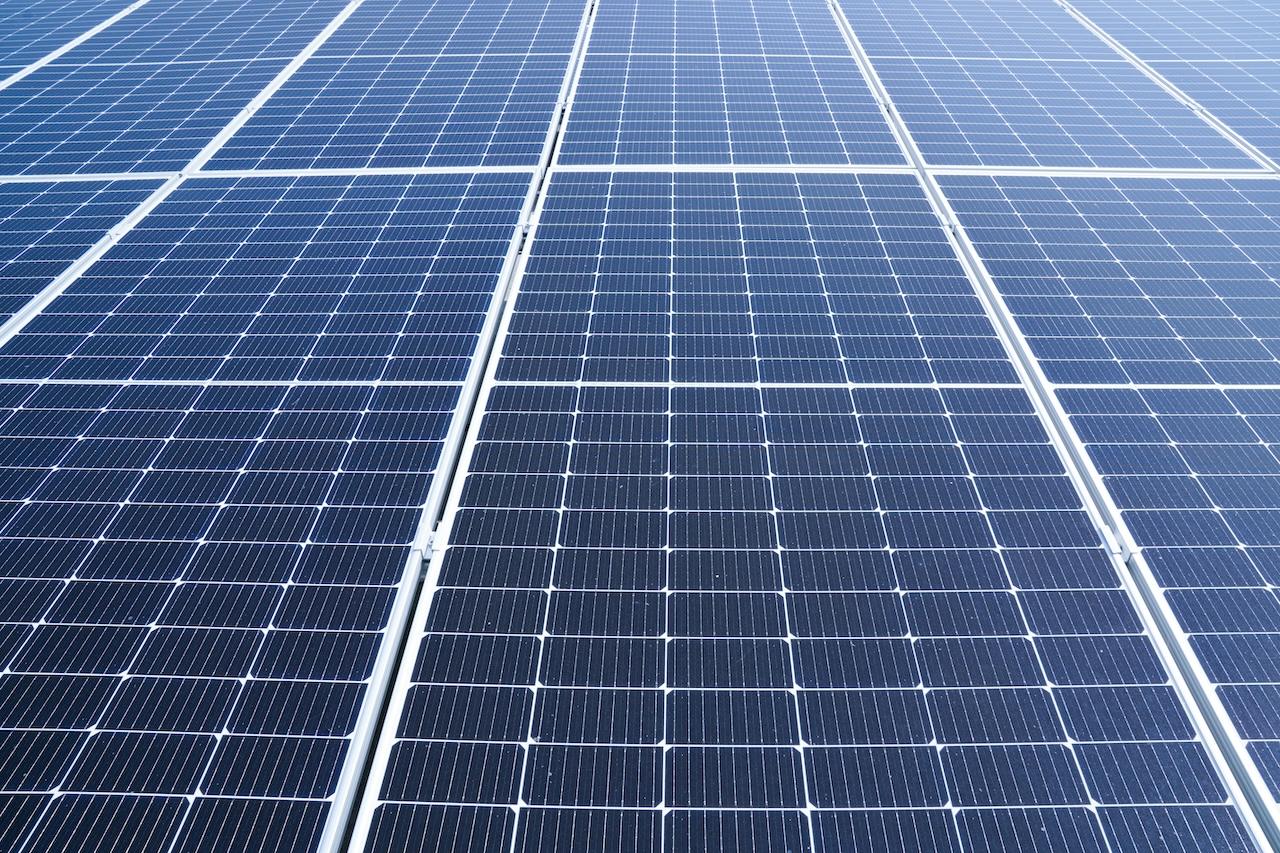
Solar Microgrid
15kW+ of generation backed by 7.2kWh of battery storage per pad for core backup and off-peak EV charging.
Passive Geothermal
Horizontal ground-source loops providing ultra-efficient warming/cooling to all pads’ vulnerable hookups (see DwellDock).
Water Reserve
A dedicated uphill, ram-pumped 10,000+ litre cistern and gravity-fed hydrant system for peace of mind.
Digital Redundancy
High-speed failover ensuring you stay connected for remote work – a hedge against petulant billionaires breaking things.
Why It Matters
-
Grid Stress:
BC Hydro reports increasing peak-demand strain due to extreme heat/cold. -
Energy Costs:
Propane and traditional electricity rates projected to rise significantly by 2030. -
Footprint:
Prefab tiny houses already have a disproportionately tiny environmental footprint: ~11% of the electricity and ~20% of the water that regular dwellings use.
Resilience Questions
What happens in a power outage?
Our microgrid automatically kicks in, providing basic power to all dwellings for essentials like lights, refrigeration, and internet.
How does the solar work?
We’ve worked with our excellent site electrician and a professional solar installer to scope out a micro-grid system that is both grid-tied and off-grid capable, as well as both centralized and distributed.
Essentially, a large south-facing solar array in the middle of the meadow offsets reliance on the grid when it’s sunny and recharges a scalable central battery bank to power key community loads (pumps, internet, common house) when there’s an outage. Surplus solar may be net-metered back to the grid to reduce costs for the co-op. The array and/or the grid also charges individual pass-through power stations in the DwellDock at each pad, acting as backup for essential loads in your house. These too can be charged by your own panels, if you have them.
How does the geothermal work?
As part of the extensive trenching we’re doing anyway for traditional utilities, we’re also planning to bury a geothermal slinky that carries the earth’s steady underground temperature to each pad’s DwellDock, thereby tempering each tiny home’s vulnerable water hookup from winter cold.
Can more be done?
Yes, always. Ideas for the co-op to pursue later on include building a four-season greenhouse, adding a second, larger root cellar / food cache, installing a pond, extending the geothermal loop to support ground-source heat pumps, and investing in small livestock like chickens and rabbits.
More broadly, Big Calm is located mere minutes from Appledale Hall, which SIFCO recently renovated to be the area’s Resiliency Centre. It is a permanent place that’s ready to go in the event of a local emergency as well as a resource with helpful year-round programming for Valley residents.
What is The Adaptive Cycle?
The Adaptive Cycle is a model first developed by ecologists to explain the life cycle of forests, and it is perhaps the most powerfully simple way to describe resilience. More than just bouncing back from adversity, resilience is a loop – constant and in multitudes. Once you see it this way you’ll see it everywhere – in life, relationships, career, industry, projects, and nature. We have a whole post about it here.